
2 million people quit their jobs to make content full-time. 46 million more are trying. yet 71% make under $30,000. that's less than working at starbucks 😅.
what nobody tells you, is that the platform you pick determines everything.
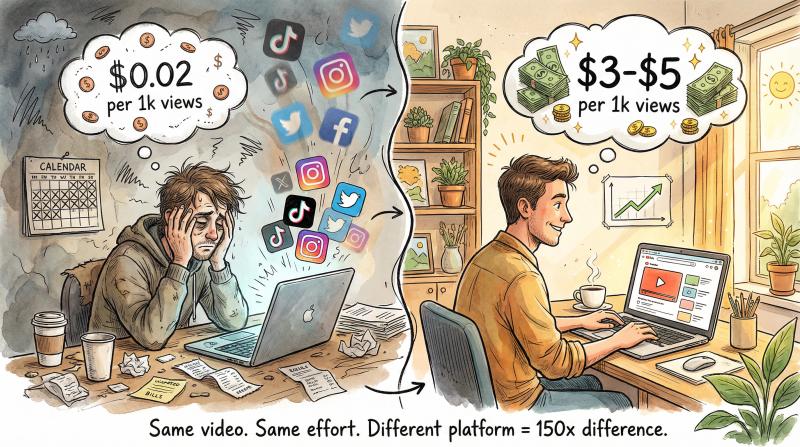
- same video → same effort → but one platform pays $0.02 per 1,000 views while another pays $3-$5. that's not a small difference. that's 150x more money. 💸
i spent the last month digging through actual payout data from every major platform. turns out most people are grinding on the wrong platforms, posting into the void and burning out for pennies when dollars are right there.
here's exactly what each platform pays in 2025, and which one will actually pay your rent. 👇
why platform payments vary (and what actually matters)
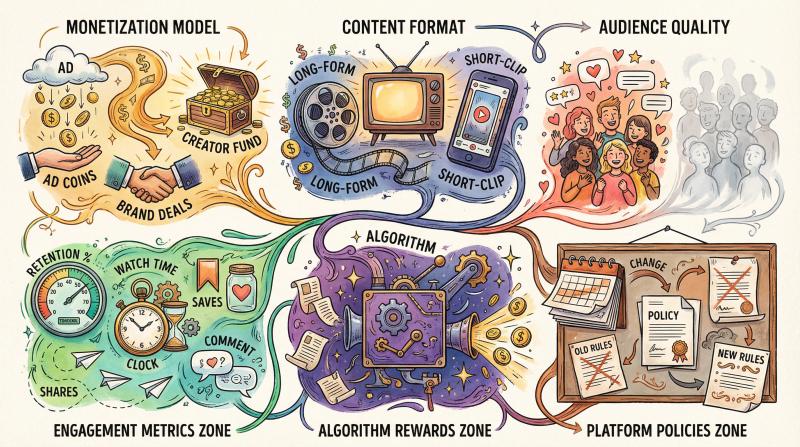
when creators ask "what social platform pays the most?", they usually want one simple answer. but the reality is: it depends on like 6 different things.
let me break it down:
monetization model matters more than you think
some platforms share ad revenue (YouTube pays per ad view). others have creator funds (TikTok pays per video performance). some don't pay creators directly at all (Instagram relies on brand deals).
you could get 1 million views on Instagram and make $0 from the platform itself. but brands might pay you $5,000 for that same reach.
content format = earnings potential
- long-form videos (YouTube, Facebook) earn more per view than short clips
- video content with ads pays better than images
- certain niches (finance, tech, business) have way higher CPMs than casual vlogging
your audience actually matters
bigger isn't always better. a smaller, highly engaged audience can earn more than millions of ghost followers who scroll past. plus, viewers in the US, UK, or canada yield higher rates because advertisers pay more to reach them.
algorithms reward engagement
platforms pay for content that keeps viewers hooked. high watch time, saves, shares, comments... that's what matters. a video with 100k views and 80% retention beats 1 million views with 10% retention. every. single. time.
platform policies change constantly
TikTok ended its old creator fund. meta phased out reels bonuses. X altered payout criteria. staying updated makes a huge difference in earnings.
bottom line: the "highest paying" platform for you is the one that aligns with your content type and audience. but let's compare real numbers so you can decide.
More posts, more chances to get paid
Repost every video to TikTok, Reels, Shorts and Facebook in one go. post bridge publishes to 10 platforms from one upload.
Post everywhere at onceyoutube: highest payouts per view ($5-$15 per 1k views)
YouTube is widely regarded as the highest-paying platform for creators in terms of direct, scalable income. YouTube paid out over $70 billion to creators from 2021 to 2023 alone.
why is YouTube so lucrative?
ad revenue (adsense)
YouTube's partner program shares 55% of advertising revenue with creators on long-form videos. in the U.S., ad rates average around a $10 CPM (cost per 1,000 ad views), which means about $5-$6 per 1,000 views paid to the creator.
many channels report earning $5-$15 per 1,000 views. in high-paying niches (tech, finance, business) CPMs can reach $20+.
real numbers:
- a video with 1 million views might earn several thousand dollars in ad revenue
- finance youtubers earn ~$12 per 1,000 views
- comedy/vlog channels might see $3-5 per 1,000 views
youtube shorts monetization
short-form creators aren't left out. as of feb 2023, shorts views now share ad revenue too. but here's the catch: shorts RPMs are way lower (around $0.03-$0.07 per 1,000 views).
viral shorts can rack up huge view counts, but on a per-view basis, long-form YouTube videos still pay far more. many creators use shorts for audience growth, then monetize via longer videos.
fan funding features
YouTube offers multiple ways for fans to support you directly:
channel memberships (monthly subscriptions for fans, $4.99+/month)
super chats/stickers (paid messages in live streams)
super thanks (tips on regular videos)
creators keep 70% of these fan payments.
why youtube leads
it's the only platform that combines massive scale (2+ billion users) with a mature revenue-sharing program. once you meet eligibility (1,000 subscribers and 4,000 watch hours in a year, or 10M shorts views in 90 days), you can start earning on YouTube.
metric - youtube - tiktok - instagram
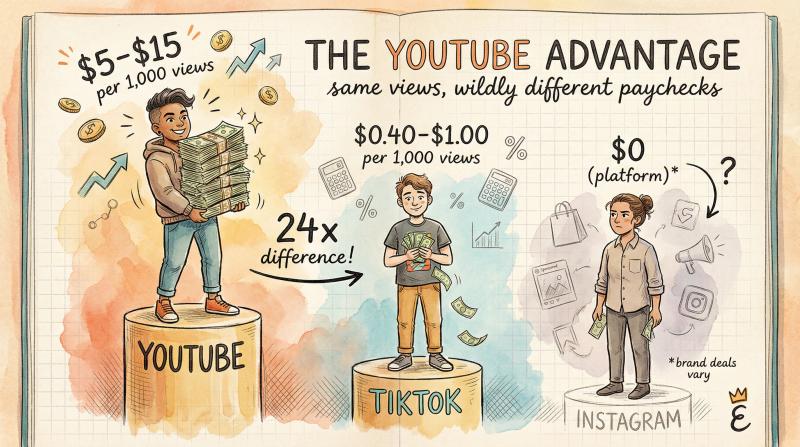
- avg payout per 1k views - $5-$15 - $0.40-$1.00 - $0 (platform)
- monetization model - ad revenue share - creator fund - brand deals
- ease of scaling - high - very high - medium
example: a finance youtuber might earn ~$12 per 1,000 views, whereas a similar video on TikTok could net maybe 50¢ per 1,000 views. that's a 24x difference for the same audience size.
pro tip: focus on videos 8+ minutes (for multiple ad breaks) in a lucrative niche for the best RPMs. success requires consistent, quality content and strong audience retention. Use Post bridge's YouTube scheduler to maintain a consistent posting schedule.
tiktok: creator rewards program ($0.40-$1 per 1k views)
TikTok's earning potential lagged for years. but 2024-2025 marked a turning point. TikTok shut down its low-paying creator fund and introduced the creator rewards program (also called the creativity program) to pay creators more fairly.
creator rewards program (2024)
TikTok now pays eligible creators roughly $0.40 to $1.00 per 1,000 views on qualified videos. this is a 10x-25x increase over the old fund, which paid around $0.02-$0.04 per 1,000 views (just $20-$40 per million views!).
qualified views matter
TikTok only rewards "high-quality, original content" (specifically videos over 1 minute long that meet certain watch-time and engagement criteria). short 15-second trends won't earn much directly. they drive growth, but not payouts.
eligibility requirements:
- 10,000 followers
- 100,000 video views in the last 30 days
- age 18+ in a supported country
real payout examples
typical creators report $0.50-$0.80 per 1k views on TikTok now. that means a video with 1 million views on TikTok might earn around $500 (versus maybe $20-40 under the old fund).
some U.S. creators in lucrative niches (finance, tech) achieve $2+ per 1k views others targeting developing countries might see only a few cents RPM.
other tiktok monetization
live gifts and tips let fans donate during streams
TikTok shop enables product selling and affiliate marketing within the app
creator marketplace for brand partnerships (where many tiktokers make the real money)
subscriptions for creators to offer exclusive content to paying followers
brand deals vs. fund
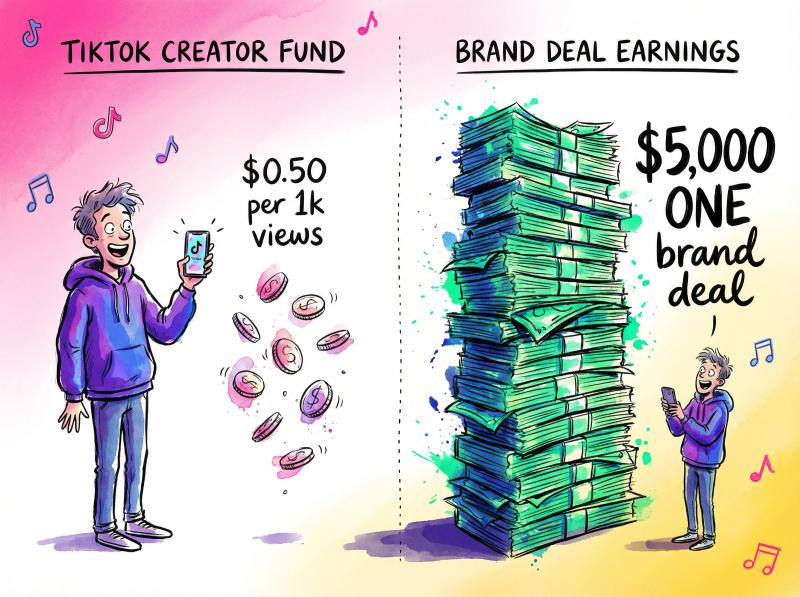
brand sponsorships often far eclipse TikTok's direct payments. a company might pay a tiktoker $5,000 for a single integrated promo. you'd need many millions of views to earn that from the creator fund.
bottom line: TikTok now pays significantly more per view than before, but it's still generally lower than YouTube's ad revenue.
pro tip: create content that's original, at least 1-2 minutes long, and highly engaging (good hook + high watch time). that's what the algorithm rewards with $$. Post bridge's TikTok scheduler helps you maintain consistency and optimize posting times.
instagram: $0 from platform, $1,000+ from brand deals
Instagram doesn't pay creators for views the way YouTube or TikTok do. there's no universal ad revenue share for posts or reels. yet it's consistently one of the most lucrative platforms because of sponsorships and commerce.
Instagram itself might not cut you a big check, but it's where brands spend big on influencer marketing.
brand partnerships (the #1 income source)
companies pay influencers to feature their product or service in posts, stories, or reels. rates vary widely by follower count and niche:
nano-influencers (~5-10k followers): $100-$200 per sponsored post
mid-tier (100k followers): $1,000-$5,000 per post
top tier (millions of followers): six figures per post
brands value Instagram highly for marketing. if you grow an engaged audience, expect a steady stream of sponsorship opportunities.
instagram's native monetization
Instagram has been testing and rolling out some direct payout features:
reels bonuses (meta had a reels play bonus program, some creators reported bonuses like $500 for 1M views, but this program was phased out in most regions by late 2023)
gifts on reels (viewers can send virtual gifts on reels as tipping, where each gift, or star, converts to about $0.01 for the creator)
live badges (during Instagram live videos, fans can buy "badges" at $0.99 to $4.99 to support you)
subscriptions (some creators can offer paid monthly subscriptions for exclusive content)
creator marketplace (helps connect creators with brands for sponsorship deals)
shopping & merchandise
for those with products, Instagram shopping tags let you sell directly via your posts/catalog.
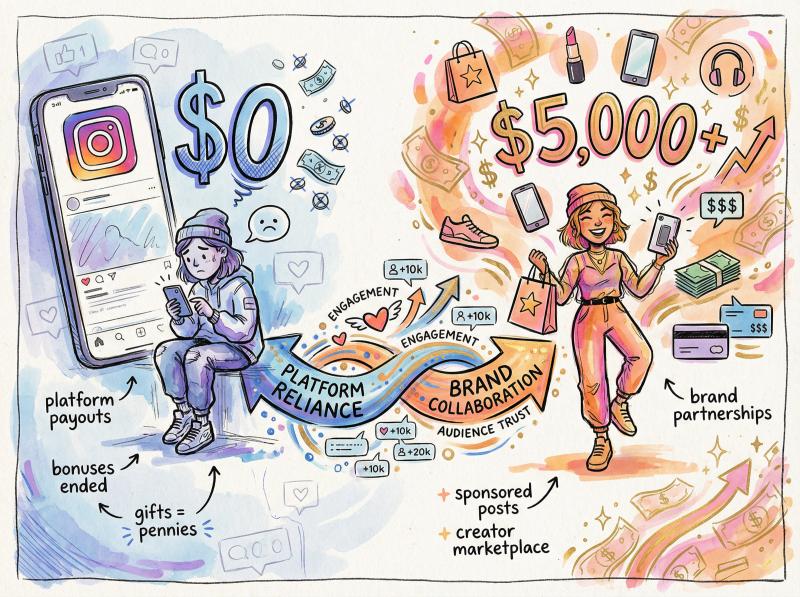
in summary: Instagram can pay indirectly extremely well. it "pays" the most for many influencers if you count brand deals. a creator with 1 million Instagram followers could be earning tens of thousands per month via sponsorships.
but if we talk pure platform payouts, Instagram's direct payments (bonuses, gifts, etc.) are limited and usually smaller scale.
pro tip: focus on audience engagement and niche positioning. brands care about how loyal and relevant your followers are, not just the raw number. Post bridge's Instagram scheduler helps you maintain a consistent, professional posting schedule that keeps your audience engaged.
facebook: video monetization ($8-$10 per 1k views)
Facebook (meta) has been playing catch-up to YouTube in rewarding video creators. in 2025, Facebook's monetization for creators is strong, especially if you produce video content or run a popular page.
in-stream ads
if you have a Facebook page with at least 10,000 followers and decent viewership, you can earn from ads placed in your videos (or even some reels). creators have reported anywhere from $1 to $20 per 1,000 views on Facebook, with a middle ground around $8-$10 per 1k views.
a viral Facebook video (especially one ~3+ minutes long) can generate a few dollars per thousand views, comparable to YouTube in some cases.
content monetization program
meta recently unified Facebook's various earning features into one content monetization program for creators. this combines:
⇒ in-stream ads
⇒ ads on reels
⇒ performance bonus system
all in a single dashboard.
fan subscriptions
Facebook offers fan subscriptions where followers pay a monthly fee (often $4.99) for exclusive content or a supporter badge. if you have, say, 1,000 super-fans willing to pay $5 a month, that's ~$5k/mo.
stars (virtual gifts)
on Facebook live streams (and now even regular posts/reels), viewers can send stars to support you, and you earn $0.01 per star. some creators have made thousands from fans sending stars during a single live session.
meta's investment
Facebook/meta paid out $2 billion in the last year alone to creators.
reality check: earning on Facebook often requires building a page following (not just personal profile friends). the platform skews to an older demographic and longer videos. if you already make videos for YouTube, cross-posting them to Facebook could double your earnings if they gain traction there.
pro tip: use Facebook's huge reach in certain regions/demographics to your advantage. repurposed videos (especially listicles, DIY, life hacks) do very well on FB and generate a second income stream via in-stream ads.
X (twitter): limited payouts ($0.0085 per 1k impressions)
elon musk's rebranded X (formerly twitter) introduced creator monetization only in 2023, so it's relatively new and evolving. X is fundamentally different (text-centric and real-time) so it doesn't monetize the same way as video platforms.
ads revenue sharing
in mid-2023, twitter began sharing a portion of ad revenue with creators for the ads shown in replies to their tweets. however, as of late 2023, X changed this to only count impressions from verified (premium) users.
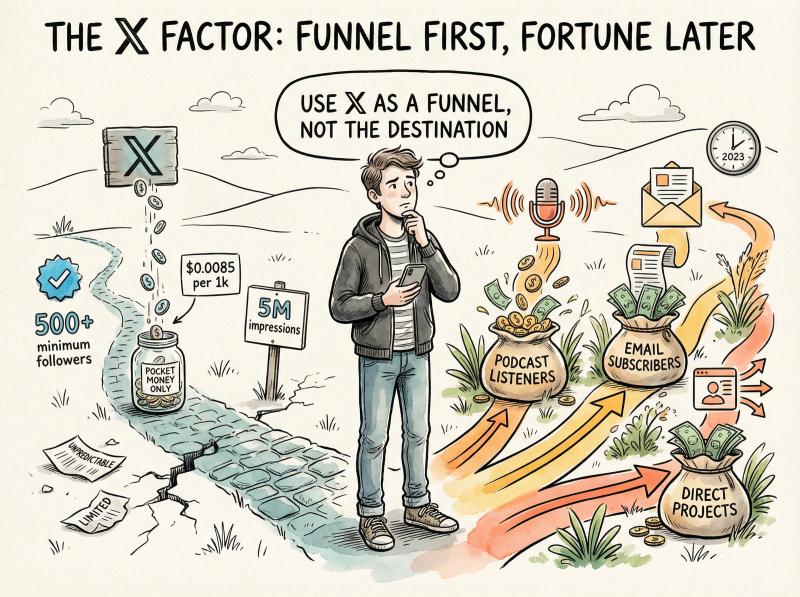
the result: payouts are now much smaller and more exclusive. on average, creators are seeing roughly *$0.0085 per 1,000 verified impressions (about $8 or $9 per million* impressions from premium users).
unless you have a huge following of twitter blue subscribers, this won't make you rich. some estimates say active X creators might earn $2-$10 per month for each thousand premium followers they have.
eligibility
to earn ad share, you must be an X premium subscriber (paid), have 500+ followers, and exceed 5 million tweet impressions in 3 months.
other X monetization
subscriptions (super follows) (creators can offer paid monthly subscriptions for exclusive tweets)
tips (followers can send one-time tips via twitter's tip jar feature)
ticketed spaces (charge admission for premium audio chat rooms)
in summary: X is not a top-paying platform for most, unless you count indirect opportunities (e.g. being a consultant or selling a product via twitter presence). the ad revenue sharing under musk's program has been unpredictable and limited.
as of 2025, it's nice extra pocket money if you go viral among premium users, but not something you build a career on alone.
pro tip: use twitter as a funnel to your other monetized projects. many creators use it to grow podcast listeners, email subscribers, etc., which can be monetized more directly.
snapchat: spotlight revenue share (50k+ followers required)
snapchat was an early mover in splashy creator payouts. in late 2020 it launched spotlight with a promise to pay $1 million per day to viral content creators. those days are gone, but snap in 2025 still offers ways to earn.
spotlight & stories revenue share
snapchat's current program is a "unified monetization program" that gives selected creators a share of ad revenue for content in spotlight (snap's short-form feed) and public stories.
to qualify:
- over 50,000 followers
- consistently post at least 25 snap stories per month
- meet certain view count benchmarks
you need to achieve snap star status (official creator level) to get into revenue sharing.
spotlight challenges
snapchat often runs spotlight challenges (theme-based contests where top videos win cash prizes, e.g. $1k to $25k). this isn't reliable income, more of a lottery for viral moments.
paid partnerships
creators can do sponsored snapchat content. if you have a following, brands might pay for product placement in your snaps. snap stars get access to a creator marketplace to connect with brands.
bottom line: snapchat can pay well for a very select group (snap stars with large followings and high engagement). for the average creator, it's not the most accessible path to money unless you consistently churn out viral snapchat content.
most creators these days prioritize TikTok or Instagram for short videos, with snap as a secondary cross-post.
twitch: subscriptions + donations ($2.50 per sub minimum)
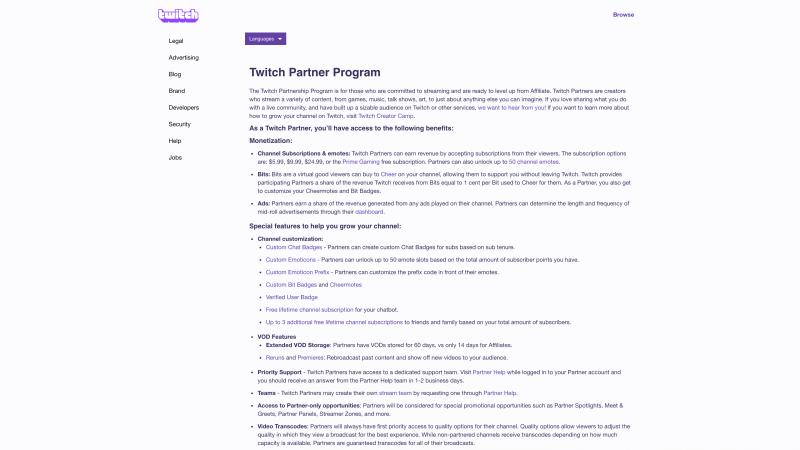
while not a traditional "social media feed," twitch is a major platform for content creators (especially gamers, podcasters, and creatives) to earn money. top twitch streamers earn massive incomes through live audiences.
subscriptions
viewers can subscribe to a streamer's channel for ~$4.99/month (tier 1 sub). the streamer typically gets 50% of that, so about $2.50 per sub. top streamers with thousands of subscribers can earn tens of thousands monthly just from subs.
example: a streamer with 10,000 subscribers = $25,000 per month from subs alone.
bits and donations
viewers can cheer with bits (virtual currency where 1 bit = $0.01 to the streamer) or donate via paypal. big fans often donate large sums during streams.
ads
twitch plays ads on streams, and partners can earn around $3 to $5+ per 1,000 ad views, depending on advertisers. however, ads are generally a smaller slice of twitch income unless you have huge viewership.
so does twitch pay the most?
if you can build a large live audience, twitch can pay incredibly well. top streamers (think thousands of concurrent viewers) easily make six or seven figures annually between subs, ads, and sponsors.
on a per-follower basis, a dedicated twitch fan is often more valuable than a casual YouTube viewer, since they may directly contribute money (subscribe or donate).
however: twitch is a grind. it requires streaming many hours, and income is active (tied to you being live and entertaining in real-time). unlike a YouTube video that earns ad revenue 24/7 after you upload it, a twitch stream's big money usually comes while you're live.
kick: the new challenger
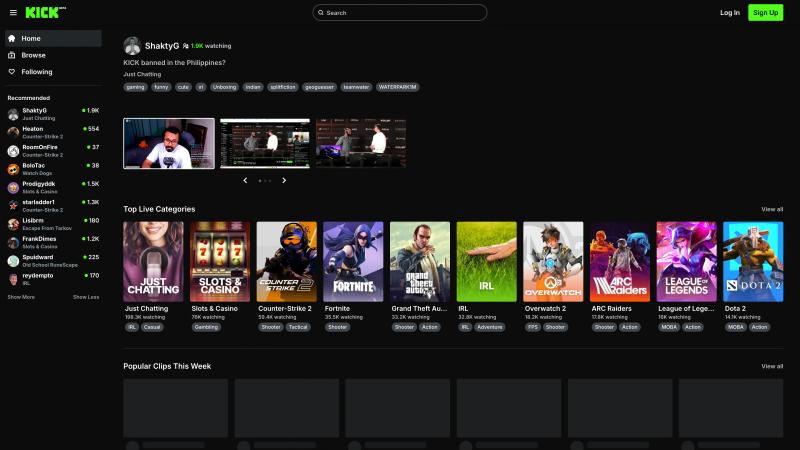
kick is a twitch-like streaming platform that exploded in 2023 by offering creators a 95/5 revenue split on subscriptions (you keep 95%!). some streamers moved to kick because of this generous payout.
however: kick is less regulated and much smaller in audience than twitch.
pro tip: use social media to build an audience then funnel them to twitch or kick if live streaming is your thing. engage your community (read chat, build inside jokes) because the stronger the connection, the more likely viewers will financially support you.
pinterest, linkedin, reddit: alternative monetization options
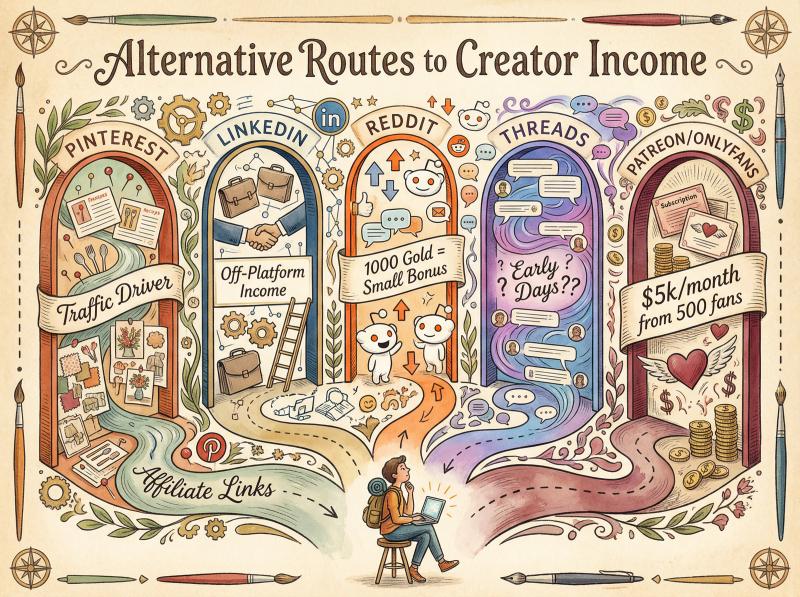
Pinterest discontinued its creator rewards program in late 2022. it no longer pays creators directly for views. instead, Pinterest is a great traffic driver and indirect earner. creators can make money through affiliate links (pin products and get commission) or brand sponsorships for popular pinterest accounts.
the professional network doesn't have an ad revenue share or creator fund. there's no built-in monetization for posts/articles. if you create career, business, or academic content, LinkedIn can bolster your off-platform income (jobs, clients, etc.), just not direct payouts.
in 2023 reddit introduced a contributor program where users can convert their reddit karma and awarded "gold" into actual money. however: you need a lot of upvoted contributions (the threshold is accumulating 1000 reddit gold). even active redditors describe the payouts as small "bonus" money, not a living.
threads
meta's new twitter-like platform threads (launched mid-2023) doesn't yet have formal monetization. there have been some invite-only bonus programs for early creators (paying for engagement milestones), but nothing widespread. You can still build an audience on Threads for future monetization opportunities.
onlyfans / patreon
these are direct fan subscription platforms. onlyfans takes a 20% cut (creator keeps 80%), patreon roughly similar (~8-12% platform fees).
if you can offer exclusive content that people are willing to pay for monthly, this model can technically "pay the most" because income per fan is high.
example: an educator with 500 patrons at $10 each = $5,000/month, which could beat their YouTube ad earnings.
the trade-off: you must continuously provide value to paying members, and growth can be slower.
platform payment comparison: which pays you the most?
it's natural to want one simple answer, but there's no one-size-fits-all winner in 2025. here's the honest breakdown:
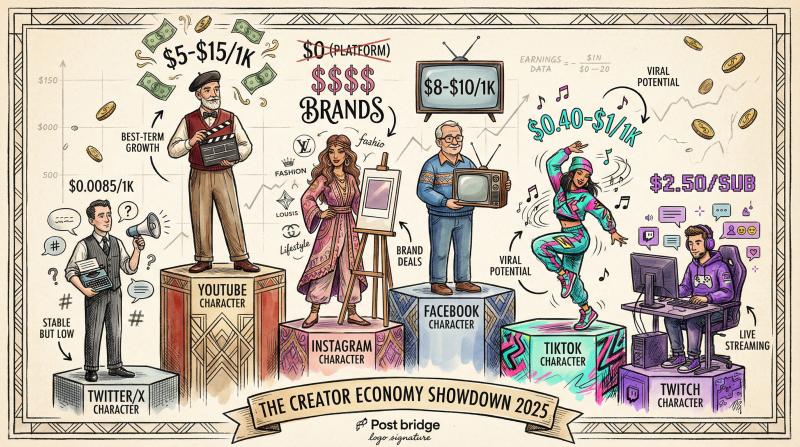
platform - best for - avg earnings - monetization style
- youtube - long-form video creators - $5-$15 per 1k views - ad revenue share
- tiktok - viral short-form content - $0.40-$1 per 1k views - creator fund + brands
- instagram - lifestyle/visual influencers - $0 platform ($$$ brands) - sponsorships
- facebook - older demographics, video - $8-$10 per 1k views - ad revenue share
- twitch - live streamers - $2.50 per sub - subscriptions + tips
- X (twitter) - thought leaders - $0.0085 per 1k impressions - limited ad share
① YouTube (most consistent high payouts per view and a full toolbox of monetization features. if your content works in video format, YouTube is usually the best long-term earner.)
② TikTok (huge audience and now decent payouts, though short-form nature means individual video earnings are smaller. great for virality and funneling followers into other income like brand deals or product sales.)
③ Instagram (possibly the highest earning platform for influencers in lifestyle, fashion, travel, etc., if you leverage brand deals. Instagram itself won't pay you big bucks for views, but its culture of sponsorship means once you have ~10k+ followers, you can start getting paid collaborations.)
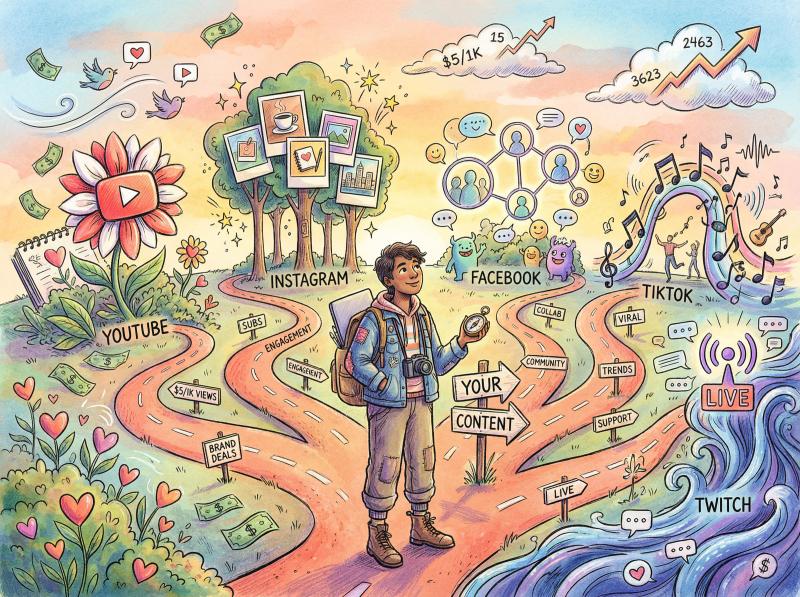
④ Facebook (strong contender for video monetization with the advantage of a huge user base. if you create engaging video content and build a facebook following, the ad revenue and fan support features can pay off.)
⑤ twitch (in terms of money per loyal fan, live streaming can pay the most. a few hundred fans on twitch can potentially earn you more than millions of passive viewers elsewhere.)
⑥ X (twitter) (likely the lowest direct payoff of the major platforms. good for influence, news spreading, and personal branding; not so much for creator cash.)
the real answer
if you're reading this to decide where to focus, ask yourself: what type of content do i love making, and where does my audience hang out?
if you're great on video and want reliable income → start with YouTube
if you love quick-hit creative challenges and mass reach → play with TikTok (and maybe cross-post to YouTube shorts for a combo strategy)
if you have a unique style or expertise → build an Instagram and consider a YouTube or a newsletter to monetize deeper
and importantly: diversify.
many top creators use multiple platforms to create more stable overall income.
example: a podcaster might have YouTube ad revenue, a patreon, and TikTok clips driving new listeners.
how to maximize creator earnings across platforms
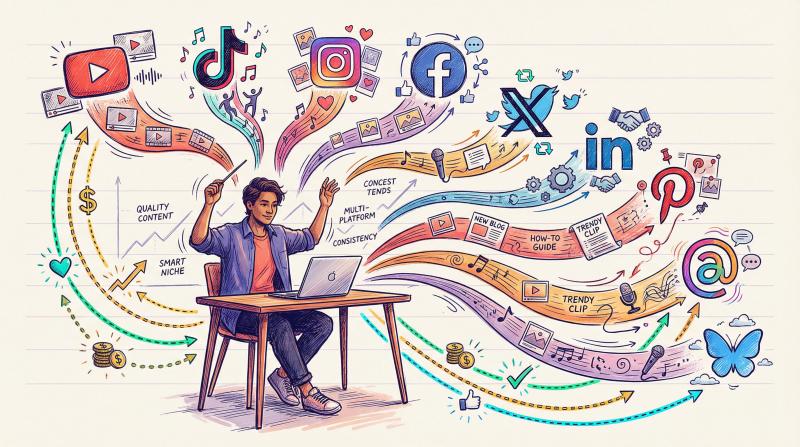
understanding which platform pays what is only half the battle. here's what actually moves the needle:
1. quality content is the foundation
no monetization hack works if people aren't engaged. every platform's algorithms and payment schemes ultimately reward content that viewers find valuable and watch-worthy. focus on that first.
2. pick your niche wisely
certain niches (finance, tech, business) have much higher CPMs and sponsorship value than casual vlogging or comedy. a makeup tutorial and a personal finance tip with the same view count can earn very different amounts.
3. engagement > follower count
a smaller but highly engaged follower base can earn more than a huge following that never clicks or buys. brands and algorithms both care about how much your audience actually cares.
4. multi-platform strategy
don't put all your eggs in one basket.
- repurpose content across platforms
- use each platform's strengths (YouTube for long-form, TikTok for discovery, Instagram for community)
- funnel audiences between platforms
5. consider using Post bridge
here's where things get practical. managing 10+ social platforms manually isn't sustainable. we built Post bridge to handle multi-platform posting and scheduling from one place. upload once, publish everywhere.
it supports:
- X/Twitter, Instagram, Facebook, LinkedIn, TikTok, YouTube, Pinterest, Threads, Bluesky
- schedule or post instantly
- TikTok drafts and YouTube Shorts detection
- API access for automation
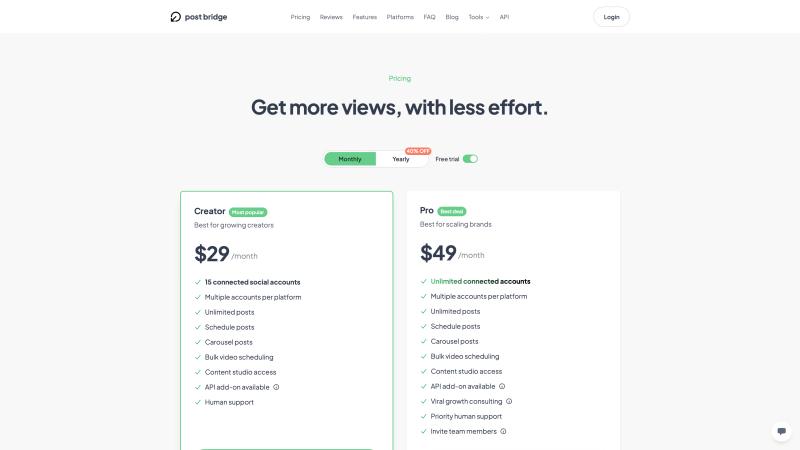
pricing: starts at $9/month for 5 social accounts. way cheaper than juggling multiple tools or wasting hours manual posting.
whether you're cross-posting to maximize reach or testing which platform pays best for your content, Post bridge helps you post consistently without the burnout.
6. track your actual earnings
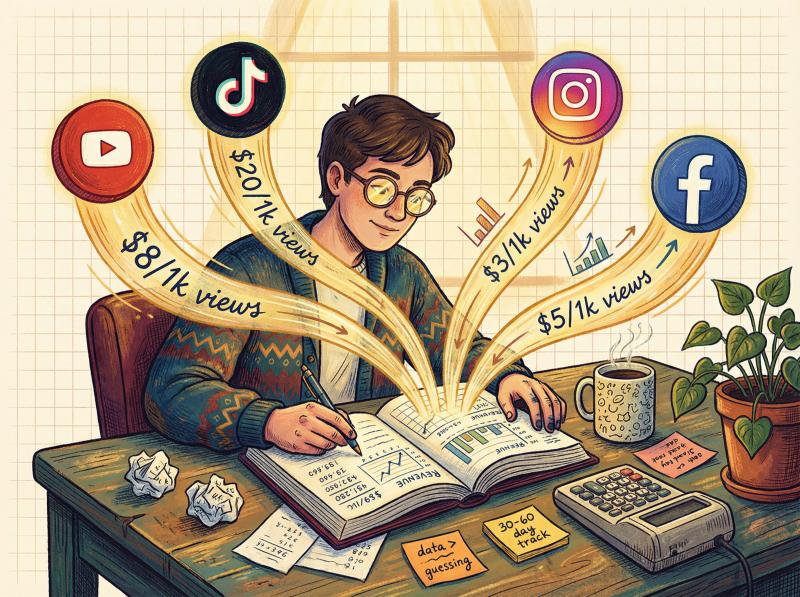
don't guess which platform pays best for YOU. track your RPM (revenue per 1,000 views) across platforms for 30-60 days, then double down on what's working.
maybe your YouTube pays $8 per 1k but your TikTok brand deals net $20 per 1k effective views. or vice versa. data beats assumptions.
frequently asked questions
what social media platform pays the most per view?
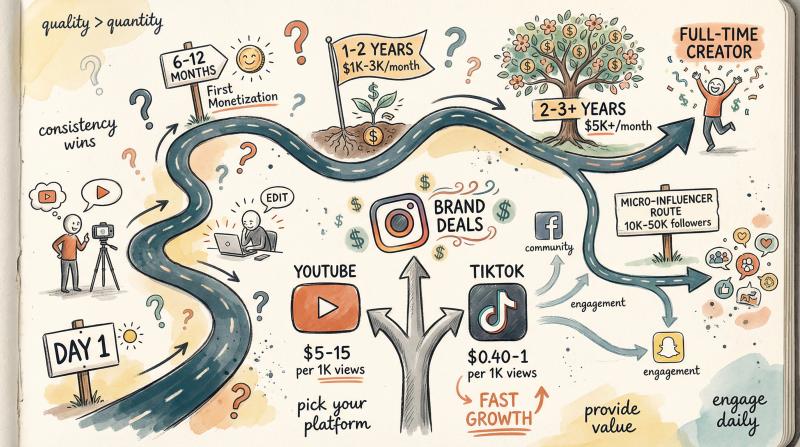
YouTube pays the most per view at $5-$15 per 1,000 views for most creators. high-value niches like finance or tech can see $20+ per 1,000 views. TikTok pays $0.40-$1 per 1,000 views on qualified content.
which platform is best for beginners?
TikTok is easiest for beginners to grow due to its algorithm that pushes new creators. however, YouTube offers better long-term monetization once you build an audience.
start with TikTok for growth, then funnel that audience to YouTube for better earnings.
can you make a living from social media?
yes, but it takes time and strategy.
realistic timeline:
- 6-12 months to hit first monetization thresholds
- 1-2 years to earn $1,000-$3,000/month
- 2-3+ years to replace a full-time income ($5k+/month)
the key is treating it like a business, not a hobby. Using professional tools like Post bridge to streamline your workflow is essential.
do you need millions of followers to make money?
no. micro-influencers with 10k-50k engaged followers can earn $1,000-$5,000/month through brand deals and platform monetization. quality engagement beats raw follower count.
what about smaller platforms like snapchat or threads?
snapchat pays well if you achieve snap star status (50k+ followers). Threads doesn't have widespread monetization yet (as of 2025).
focus on the big 4 (YouTube, TikTok, Instagram, Facebook) first.
how do taxes work for creator income?
creator income is self-employment income in most countries.
you'll need to:
- track all earnings
- pay quarterly estimated taxes (in the US)
- deduct business expenses (equipment, software like Post bridge, etc.)
- possibly register as a business entity
consult a tax professional familiar with creator economy income.
can you monetize on multiple platforms at once?
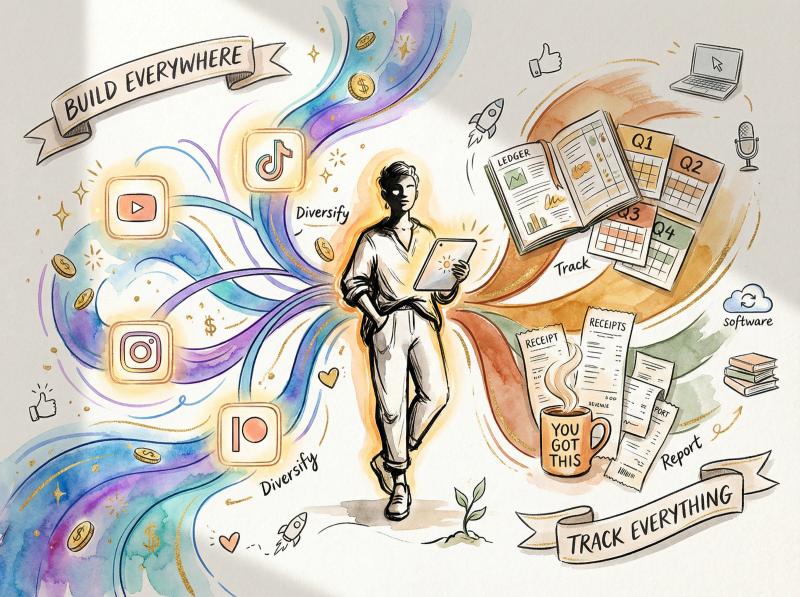
absolutely. in fact, you should. most successful creators have:
- YouTube for ad revenue
- Instagram for brand deals
- TikTok for reach and discovery
- patreon/onlyfans for direct fan support
diversification protects you if one platform changes its algorithm or policies. Post bridge makes managing all these platforms from one dashboard effortless.
what's the fastest way to start earning?
step 1: pick one platform and hit monetization threshold (YouTube partner program, TikTok creator rewards, etc.)
step 2: while building, use Post bridge to cross-post content to other platforms simultaneously
step 3: once you have 5k+ followers anywhere, start reaching out to brands for sponsorships
step 4: add affiliate links to your content for passive income while you grow
speed comes from consistency + smart systems, not shortcuts.
should i buy followers to hit monetization faster?
hell no. platforms detect fake followers and will:
- suspend your monetization
- shadowban your content (learn more about Twitter shadowbans)
- permanently damage your account
plus, fake followers don't engage, so brands and algorithms both know they're worthless. grow organically. it's slower but sustainable.
how much does youtube pay for 1 million views?
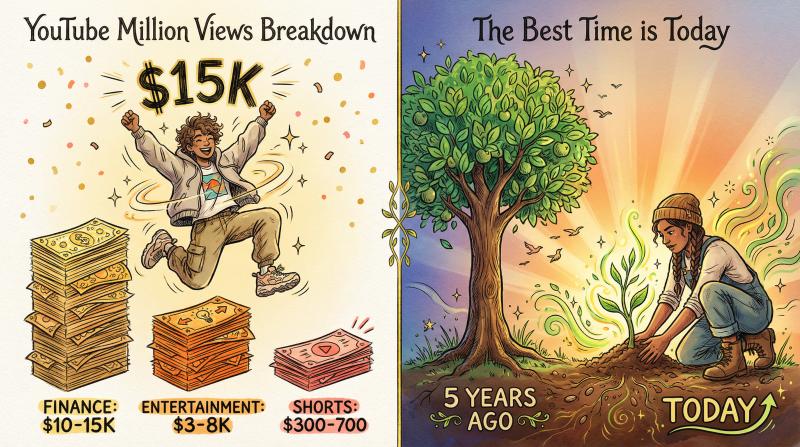
YouTube pays $3,000-$15,000 for 1 million views depending on niche, audience location, and CPM rates.
finance/business content: $10,000-$15,000
general entertainment: $3,000-$8,000
viral shorts: $300-$700
is it too late to start creating content in 2025?
not even close. new creators blow up every single day. the creator economy is still growing. what's changed: you need a strategy. random posting won't cut it anymore.
focus on a specific niche, deliver consistent value, and use tools like Post bridge to maximize your reach efficiently.
the best time to start was 5 years ago. the second best time is today.
choosing your platform: commit to one, then diversify
most creators waste time asking "which platform pays the most" when they should be asking "which platform is best for MY content and audience?"
YouTube pays the most per view. if you can create video content, start there.
Instagram pays the most via brand deals. if you're visual and lifestyle-focused, IG is your goldmine.
TikTok offers the best growth potential. if you want to blow up fast, TikTok's algorithm gives new creators a real shot.
twitch pays the most per loyal fan. if you love live streaming and community-building, go there.
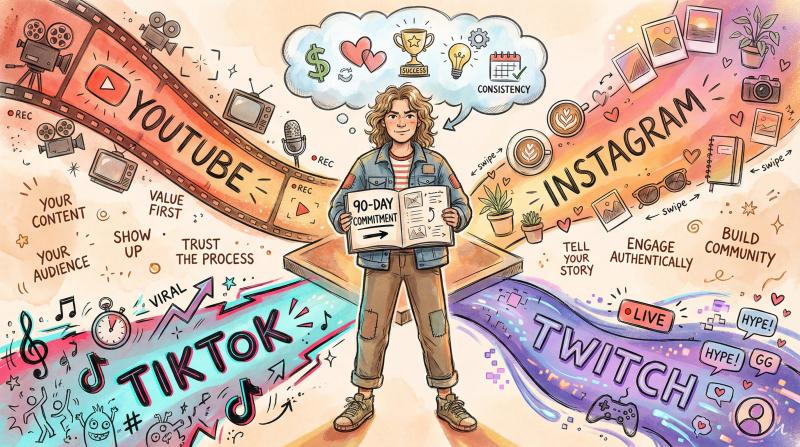
but honestly? the platform that pays YOU the most is the one where you'll actually show up consistently and create your best work.
stop overthinking. pick one, commit for 90 days, track your results, then optimize or pivot. use Post bridge to cross-post efficiently so you're not wasting hours on manual uploads. then focus your energy on creating content that actually matters to people.
the money follows the value. always has, always will.
now go create something worth paying for. 🚀